

In partnership with


Why criminals don't need to break into your home to steal it, they just walk into the county clerk's office
GM, Welcome Back to the Dead Drop.
Last week, we explored how Victor Lustig sold the Eiffel Tower twice in the 1920s using nothing but psychological manipulation and forged documents. Some of you probably thought, "Well, that was almost a century ago. Things are more secure now."
They're not.
Six years ago, Robert Brown walked into his church office expecting another routine Tuesday. Instead, he found letters from Dallas County asking what they'd sold their property for. The First Christian Church in Lancaster hadn't sold anything. But according to official county records, they no longer owned their building.
Someone had walked into the county clerk's office with fraudulent paperwork and simply transferred the church's deed into their own name. It took the church two years to get the property back into their name, and another three to see the fraudster convicted of the crime. It was a long process that involved two lawyers, Lancaster police and the Dallas County Clerk's office.
Brown's nightmare illustrates the fastest-growing property crime in America: title deed fraud. While you're worrying about porch pirates stealing packages, "title pirates" are stealing entire houses.
Nationwide, from 2019 through 2023, 58,141 victims reported $1.3 billion in losses relating to real estate fraud. But those numbers only capture reported cases. The reported losses are most likely much higher due to that fact that many don't know where to report it, are embarrassed, or haven't yet realized they have been scammed.
Today's Dead Drop exposes the criminal psychology behind title deed fraud, the systemic vulnerabilities that make it possible, and the defensive protocols that actually work. Because in the war between fraudsters and property owners, understanding how the enemy operates isn't optional, it's survival.
100 Genius Side Hustle Ideas

Don't wait. Sign up for The Hustle to unlock our side hustle database. Unlike generic "start a blog" advice, we've curated 100 actual business ideas with real earning potential, startup costs, and time requirements. Join 1.5M professionals getting smarter about business daily and launch your next money-making venture.
The Honor System That Honors No One
Here's the uncomfortable truth about American property ownership: "The system is definitely an honor system, and it doesn't work," Wei said. "It doesn't work to stop fraud. It puts the onus on the property owner, and the legal system is not adapted to this modern technology. Anybody can create notary stamps."
"People can just walk into the county clerk's office and give them this paperwork, that everything on it is fraudulent. Everything," Brown said. "They just waltz in and nobody asks them any questions. Nobody asks for identification."
This is the systemic flaw that title pirates exploit with military precision: our entire property ownership system runs on faith, not verification.
The Paper Trail Reality Check
When you "own" your home, what you actually possess is a paper trail recorded in local government offices. Your deed doesn't prove ownership. It only proves someone transferred the property to you at some point. Having a deed to a piece of land doesn't prove that you own it. It just proves that you got the land from somebody else at some point in time.
The criminal breakthrough: fraudsters realized they don't need to physically break into your home to steal it. They just need to break into the paper trail.
The Title Pirate Playbook: Criminal Psychology in Action
Phase 1: Target Selection (The Vulnerability Assessment)
Title pirates don't randomly select properties. They conduct systematic reconnaissance that would impress intelligence analysts:
Primary Targets:
Vacant parcels of land and properties that don't have a mortgage or other lien
Vacation homes or rental property, individuals who have been a victim of identity theft, and those with paid-off properties
Properties with recently deceased owners and investment properties owned by holding companies
The Criminal Logic: Criminals often target vacant properties, such as vacation homes, especially if the legal owner is deceased. Older people are also common targets because they often have more equity in their homes, and they might not be tech-savvy or aware of the dangers online.
Advanced Targeting: Charlie Lee, director of legal affairs for the National Association of REALTORS®, says con artists scour the public records to find clear titles.
Phase 2: Document Forgery (The Technical Execution)
Modern title pirates operate like professional document forgers:
Identity Intelligence Gathering: Criminals harvest personal information from public records, social media, and data breaches
Document Creation: Fraudsters may forge property deeds or titles to transfer ownership to themselves or a fictitious entity
Notarization Fraud: Title pirates have been known to impersonate notaries
Filing System Exploitation: Florida law also makes the state hospitable for title pirates because county recorders' offices are legally barred from verifying if a person on the deed is the true owner
Phase 3: Monetization (The Criminal Profit Centers)
Once fraudsters control the title, they deploy multiple revenue streams:
The Rental Scam: Illegally rent out the property and take regular monthly payments from unsuspecting tenants. They could also put the home up as "rent-to-own" so the tenant believes they're paying off their home when really the scammer is just taking their money.
The Mortgage Fraud: Open a home equity line of credit (HELOC) in the victim's name. This type of loan fraud enables the thief to take out equity against the victim's home (and not make loan payments!)
The Quick Sale: Sell the home to a legitimate buyer and pocket the profit. This is a common approach for unoccupied vacation homes or rental properties.
The Construction Loan Scam: Their next step is usually to attempt to borrow money against the property from third-party lenders. This is usually based on the title pirate's representations that the money will be used as a construction loan to finance construction on the property.
The High-Volume Assembly Line: Some criminals industrialize the process. In one case I worked years ago in Arizona, Jon Richard Rattray operated through his company Hawkeye Real Estate Services, filing forged lien release documents to free up equity in homes he owned. He would then take out new loans on those same properties or sell them to purchasers as unencumbered property, sometimes selling the same property 5-6 times per day. The scale was staggering: over $6 million in alleged losses through systematic document forgery.
The Criminal Evolution: From Lustig to Rattray
If Victor Lustig could sell the Eiffel Tower twice with 1920s technology; just charm, forged documents, and an understanding of human psychology, imagine what modern criminals can accomplish with digital tools, online records, and remote transaction capabilities.
The fundamentals haven't changed: it's still about exploiting trust, creating false documentation, and moving faster than verification systems can respond. But the scale has exploded.
Lustig targeted individual marks in face-to-face cons. Modern title pirates like Jon Rattray systematized the process: The State found that Rattray, through his company Hawkeye Real Estate Services, LLC, filed a series of forged lien release documents at the Office of the Maricopa County Recorder with the intent of freeing up equity in homes he owned so that he could take out new loans on those same properties or sell them to purchasers as unencumbered property.
Lustig sold a national monument twice. Rattray sold individual properties 5-6 times per day.
The lesson: If a scarred Austrian could convince Parisians to buy the Eiffel Tower in 1925, modern criminals can definitely convince county clerks to transfer your house in 2025.
Case Study: The Million-Dollar Mistake
Consider the case uncovered by NPR's Planet Money: Gina Leto, a real estate developer, thought she was buying vacant land through a legitimate transaction. Gina and her partner started building a house on the property. But $800,000 into the construction process, Gina got a troubling call from her lawyer. There was something wrong.
Our lawyer told us that the person that sold the property to us was not the owner. This was a fraudulent sale. The real owner never sold this property and was unaware that the property was sold.
The breakdown revealed the sophisticated nature of modern title fraud:
Fake passport documentation
Fraudulent email communications
DocuSign signature forgery
Complete impersonation of the real property owner
The financial devastation: Leto lost a nearly million-dollar house built on land she thought she owned.
The Investigative Reality: Why Pirates Always Win (Initially)
The Legal Nightmare for Victims
"The person who forged the deed is now the property owner," real estate attorney Arash Sadat explained. "So, for you to get title back to that property, they would have to either grant you a deed, restoring your property or you have to go to court and have the court make an order saying you are the titled owner of this property."
The brutal economics: "To take a case, really any case through trial, it's easily $50-$100,000 plus in attorney fees alone," Sadat said.
The Criminal Advantage
Speed vs. Due Process: Often these scams go undetected until after the money has been wired to the scammer in the fraudulent sale and the sale has been recorded.
Volume Operations: The most sophisticated criminals operate at scale. An FDLE report states that Tribble's scam involved 35 homes in Miami-Dade, Broward, Palm Beach and Martin counties with a taxable value of more than $7.5 million.
Multiple Revenue Streams: Authorities alleged that ring members sometimes sold the same home to more than one person and collected mortgage payments from both buyers almost simultaneously.
The COVID-19 Criminal Accelerator
The COVID-19 pandemic changed the way business was and continues to be conducted. More and more people have grown accustomed to conducting real estate transactions through email and over the phone. The remote nature of these sales is a benefit to bad actors.
The pandemic created the perfect storm:
Digital Transaction Normalization: Remote closings became standard
Reduced Physical Verification: Less in-person identity checking
Economic Desperation: More vulnerable property owners
Overwhelmed Systems: County offices operating with reduced staff
The Texas Response: Legislative Countermeasures
SB 15, filed by state Sen. Royce West, D-Dallas, would make it mandatory for county clerks to request identification when a property transaction is filed.
The bill addresses the core vulnerability: "tells us exactly word for word what you do, what you can do, because right now we can't demand to see their license. We may in some counties," Victoria County Clerk Heidi Easley testified Friday.
The Scale in Texas: In Dallas County, which West represents, more than 100 properties have been involved in deed fraud this year
Field Manual: Defensive Protocols Against Title Pirates
The Early Warning System (Active Monitoring)
1. Property Record Surveillance
Continually monitor online property records and set up title alerts with the county clerk's office (if possible)
Set up online search alerts for your property
When your county's website appears (probably as a ".gov" site), click through and search the official website for your address
2. Mail Pattern Recognition
Pay attention to incoming bills. Keep a close eye out for mortgage, tax and water bills. Sometimes, thieves change the address on bills to hide their crime
Regular mail not arriving: If mail you typically receive regularly, like utility bills or local authority notices, stops arriving at your home, it may indicate that an identity thief has taken control of your home title
Take action if you stop receiving your water or property tax bills, or if utility bills on vacant properties suddenly increase
3. Credit Report Analysis
Changes to your credit report: A fraudster refinancing your property or getting a home equity line of credit or loan in your name will result in unfamiliar items appearing on your credit report
Phone calls from lenders or estate agents: Unsolicited calls from mortgage lenders or estate agents showing interest in your property could signal that an identity thief has contacted them
The Physical Security Layer
Property Monitoring Protocols:
Drive by the property or have a management company periodically check it
Ask your neighbors to notify you if they see anything suspicious
The Financial Firewall
Title Insurance Strategy: It's critical to have title insurance to protect against scams that could cost you. When you buy a property, your lender will probably require lender's title insurance to protect them. You should also get owner's title insurance as well, to protect you.
Professional Verification Networks: As part of their due diligence, his team sends letters to the property owner's registered address to verify the legitimacy of the sale. They also perform reverse phone number searches to catch any discrepancies.
High-Risk Property Protocols
For Vacant/Investment Properties:
Establish monthly physical inspection schedules
Set up automated utility monitoring
Create neighbor notification networks
Implement quarterly title record reviews
For Elderly Relatives:
If you're looking out for older family members, make a note of when they receive bills each month and check to make sure the bills continue arriving
Establish power of attorney arrangements
Set up joint monitoring of property records
The Digital Transaction Red Flag Checklist
Communication Security Protocols:
Beware of anyone using encrypted applications to conduct real estate transactions
Verify all wire transfer instructions through independent phone calls
Never click links in real estate transaction emails
Require video calls for remote closings
Professional Verification Standards:
Real estate professionals at the closing table can check the identities and powers of the other parties
Be sure to use an approved remote online notary
Demand multiple forms of identification verification
The Criminal Psychology Advantage: Understanding the Enemy
Why Title Pirates Succeed
Psychological Exploitation: They weaponize trust in official systems
Systemic Vulnerabilities: They exploit honor-based recording systems
Time Advantages: They move faster than legal countermeasures
Technical Sophistication: They use advanced document forgery
Volume Operations: They process multiple frauds simultaneously
The Victim Profile Analysis
Title pirates don't target random properties. They conduct behavioral analysis:
Property Monitoring Patterns: How often owners check their properties
Digital Sophistication Levels: Likelihood of discovering online fraud
Legal Response Capabilities: Financial ability to fight in court
Social Isolation Factors: Availability of family/friend support networks
The Fraudfather Bottom Line
Title deed fraud represents the weaponization of America's trust-based property system. "Folks across the region are having their roots literally pulled out from under them and are being left with no place to call home. They're suffering deeply personal losses that have inflicted a significant financial and emotional toll, including shock, anger, and even embarrassment," said Jodi Cohen, special agent in charge of the FBI Boston Division.
The most dangerous aspect of this crime isn't the technical complexity, it's the psychological exploitation. Title pirates understand that property ownership is emotional, not just financial. When you lose your home to deed fraud, you're not just losing an asset; you're losing your sense of security in the most fundamental systems of American society.
The Criminal Evolution: "There is so much money to be made from title fraud, and it's not that hard to do," Singer said.
The Defense Reality: Your property deed is only as secure as your monitoring systems. The criminals betting on your inattention are professionals. Your defense must be equally professional.
The Investigation Truth: The FBI can work with our partners to try to stop wire transfers and recover the funds within the first 72 hours. But only if you know the crime is happening.
The title pirates are counting on your assumption that official government records are secure. They're counting on your trust in the system. They're counting on your belief that nobody would dare steal something as significant as your home.
They're wrong about one thing: you're not helpless. But they're right about this: the system isn't protecting you. You have to protect yourself.
Monitor. Verify. Act.
The property you save may be your own.
QUICK REFERENCE: TITLE DEED FRAUD WARNING SIGNS
IMMEDIATE RED FLAGS:
✗ Unexpected bills for taxes, utilities, or services you didn't authorize
✗ Mail redirection or cessation of regular home-related correspondence
✗ Unfamiliar mortgage or HELOC entries on your credit report ✗ Unsolicited calls from lenders or real estate agents about your property ✗ Discovery of your property listed for sale without your knowledge
PROTECTION PROTOCOLS:
✓ Set up property record alerts with your county clerk
✓ Monitor your property's online listing status monthly
✓ Maintain title insurance with adequate coverage
✓ Establish quarterly property record reviews
✓ Create neighbor notification networks for vacant properties
✓ Verify all real estate communications through independent channels
Remember: Title pirates operate like intelligence professionals. Your defense must be equally systematic, equally professional, and equally persistent.

The Fraudfather's take on the week's biggest scams, schemes, and financial felonies, with the insider perspective that cuts through the noise.
The Birmingham Betrayal: When Trust Becomes a Weapon
Bottom Line Up Front: Cynthia Mixon, 50, and her daughter Mykia Henderson, 32, just received federal prison sentences of 57 months and 87 months respectively for stealing nearly $500,000 from the elderly person they were hired to protect. This isn't just another fraud case; it's a blueprint for understanding how modern elder abuse weaponizes the most sacred relationship in caregiving: trust.
The "So What" That Should Terrify You: These women didn't break into a bank vault. They walked through the front door as trusted in-home caretakers, gained access to their victim's financial information, and systematically drained accounts using fraudulent Square and Stripe payment processors. Between December 2020 and February 2022, they turned caregiving into criminal enterprise, sharing the victim's financial data with other conspirators like intelligence assets trading state secrets.
The Criminal Psychology: This case represents the evolution of elder fraud from opportunistic theft to systematic financial predation. The mother-daughter team didn't just steal money; they industrialized betrayal. They understood that elderly victims rely on caretakers not just for physical assistance, but for financial management, making them perfect targets for comprehensive identity theft and wire fraud.
The Investigative Reality: Federal prosecutors charged them with conspiracy to commit wire fraud and aggravated identity theft because they didn't just take money; they created an entire fraudulent infrastructure. This wasn't impulsive theft; it was premeditated financial assassination.
Why This Matters: When families hire in-home care, they're not just inviting help, they're potentially inviting professional criminals who understand that caretaking provides perfect cover for financial crimes. The victim's vulnerability becomes the criminal's opportunity, and trust becomes the weapon that destroys everything the victim spent a lifetime building.
The Fraudfather Bottom Line: In elder fraud, the most dangerous predator isn't a stranger on the phone. It's often the person holding the house keys.

The Sanctuary Scam: When Faith Becomes the Weapon
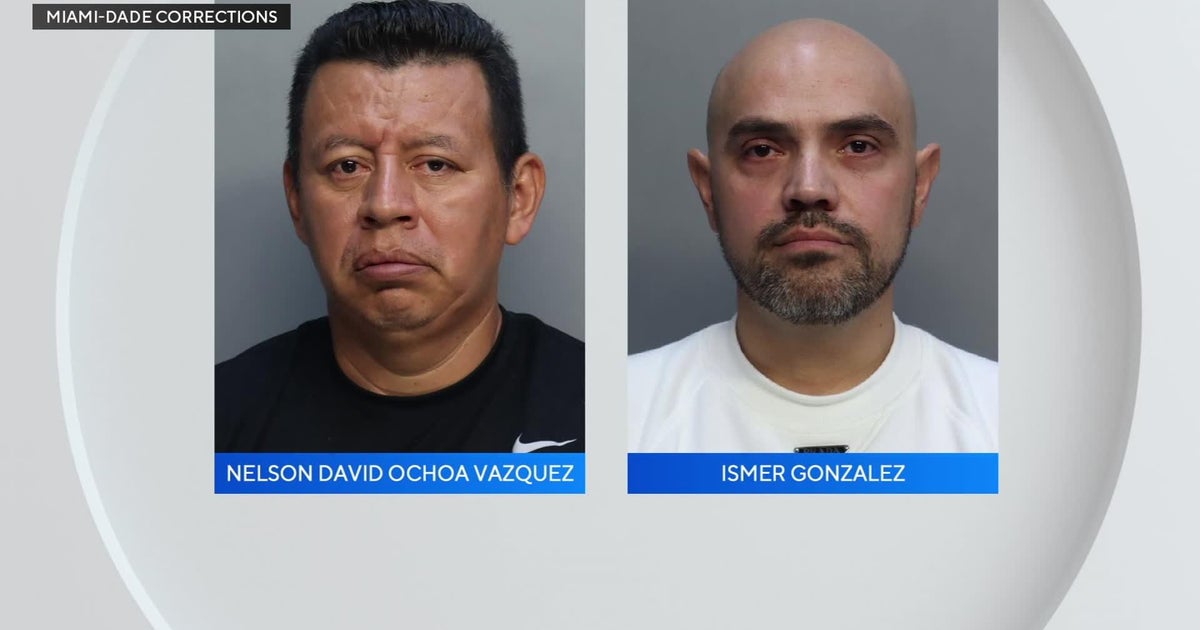
Bottom Line Up Front: Miami pastor Nelson David Ochoa Vazquez and fake immigration attorney Ismer Gonzalez just got arrested for stealing $21,000 from at least 16 immigrant victims who trusted their church for legal help. But the real crime isn't the money, it's the weaponization of sanctuary against society's most vulnerable population.
The "So What" That Reveals Everything: This case exposes the perfect criminal ecosystem. Ochoa Vazquez used his church, La Iglesia de Dios Jireh, as a recruitment center, directing desperate immigrants to Gonzalez, who falsely claimed to be an immigration attorney. Neither man was licensed to practice law. They promised driver's licenses and work permits, collected payments through Zelle and cash, then delivered nothing while spending victim funds on Gucci, Dior, Louis Vuitton, and international travel.
The Criminal Psychology Masterclass: These predators understood that immigrants facing deportation fears won't report fraud to authorities. They weaponized the church as a trust-building platform, knowing that religious authority creates psychological compliance. The victims weren't just customers; they were congregants seeking salvation, making them perfect marks for systematic exploitation.
Why This Matters Beyond the Money: Immigration fraud operates in America's shadows because victims can't seek justice without risking exposure. Every unreported case empowers more predators to exploit vulnerable communities. When pastors become fraud recruiters and fake attorneys become identity thieves, entire immigrant populations lose faith in both legal and religious institutions.
The Investigative Reality: The fraud lasted from April 2024 to January 2025 because the criminal model was bulletproof: victims too scared to report, religious authority providing credibility, and fake legal services creating dependency. Only bank records exposed the luxury spending that revealed the scam.
The Fraudfather Bottom Line: In immigrant fraud, criminals don't just steal money. They steal hope from people who have nowhere else to turn.
The Paper Trail Predator: How $250K Insurance Fraud Creates Perfect Evidence
Bottom Line Up Front: Ian Pierce, 34, of Tolland, Connecticut, just got arrested on eight warrants for a $250,000 life insurance fraud scheme that ran from 2020 to November 2024. But this isn't just another fraud case, it's a masterclass in how modern criminals create the evidence that destroys them, one fake document at a time.
The Criminal Infrastructure: Pierce was fired from his legitimate insurance company in March 2020 for misappropriating client funds. His license was revoked in June 2021. Then he did something brilliant and stupid: he kept operating as if nothing happened, creating a massive document trail that became his prosecution roadmap. He told existing clients he'd transferred to another company and convinced them to keep sending premium payments directly to him for non-existent policies.
The Paper Trail That Built the Case: When authorities executed a search warrant at Pierce's home in December 2024, they seized multiple electronic devices containing "notes with drafts of letters and memoranda designed to appear as if they were drafted by other entities such as courts or attorneys." They found forged documents, forged checks, blank check templates, and evidence of fake personas Pierce was using to communicate with victims. Every email, every fake legal document, every bounced check became evidence.
The Systematic Deception: Pierce didn't just steal premium payments, he created an entire false reality. He convinced victims to take 401k loans "under the pretext of protecting against regional bank instability," sold them fraudulent CDs totaling over $30,000, and used fake email addresses to impersonate attorneys when victims asked questions. When one victim worried about a missing $10,000 Treasury check, Pierce told her to contact a fictitious person he'd created.
The Evidence Avalanche: Insurance fraud generates perfect prosecution evidence because every transaction requires documentation. Pierce's scheme created bank records, email communications, forged checks, fake legal documents, and digital evidence on seized devices. He even used $36,000 of victim funds to pay for his own wedding, a financial transaction that connected his personal life directly to the criminal enterprise.
The Fraudfather Bottom Line: Insurance fraud is the criminal equivalent of building your own prison; every fake document, every forged check, every fraudulent email becomes another bar in the cage that ultimately contains you.

The Fraudfather combines a unique blend of experiences as a former Senior Special Agent, Supervisory Intelligence Operations Officer, and now a recovering Digital Identity & Cybersecurity Executive, He has dedicated his professional career to understanding and countering financial and digital threats.
This newsletter is for informational purposes only and promotes ethical and legal practices.