
In partnership with


Echoes of Chaos: Data Breaches, Digital Trust, and the Illusion of Progress
This week, I’m stepping away from the usual “Fraudster of the Week” spotlight to examine the broader architecture of deception, one shaped by data breaches and economic paradoxes that leave us vulnerable. From stolen health records to the commodification of children’s identities, these incidents reveal not just the cost of negligence but the systems that amplify harm. Data breaches aren’t anomalies—they’re symptoms of a larger, insidious feedback loop where efficiency, exploitation, and greed collide.
In this week's issue:
🛡️ The Playground for Predators: Over 60 million children’s data compromised in a breach that reminds us how negligence enables exploitation.
🏦 Bank of America: A Map for Exploitation: A third-party breach exposed Social Security numbers, financial records, and—most chillingly—customers’ locations. The stakes aren’t just financial; they’re deeply personal.
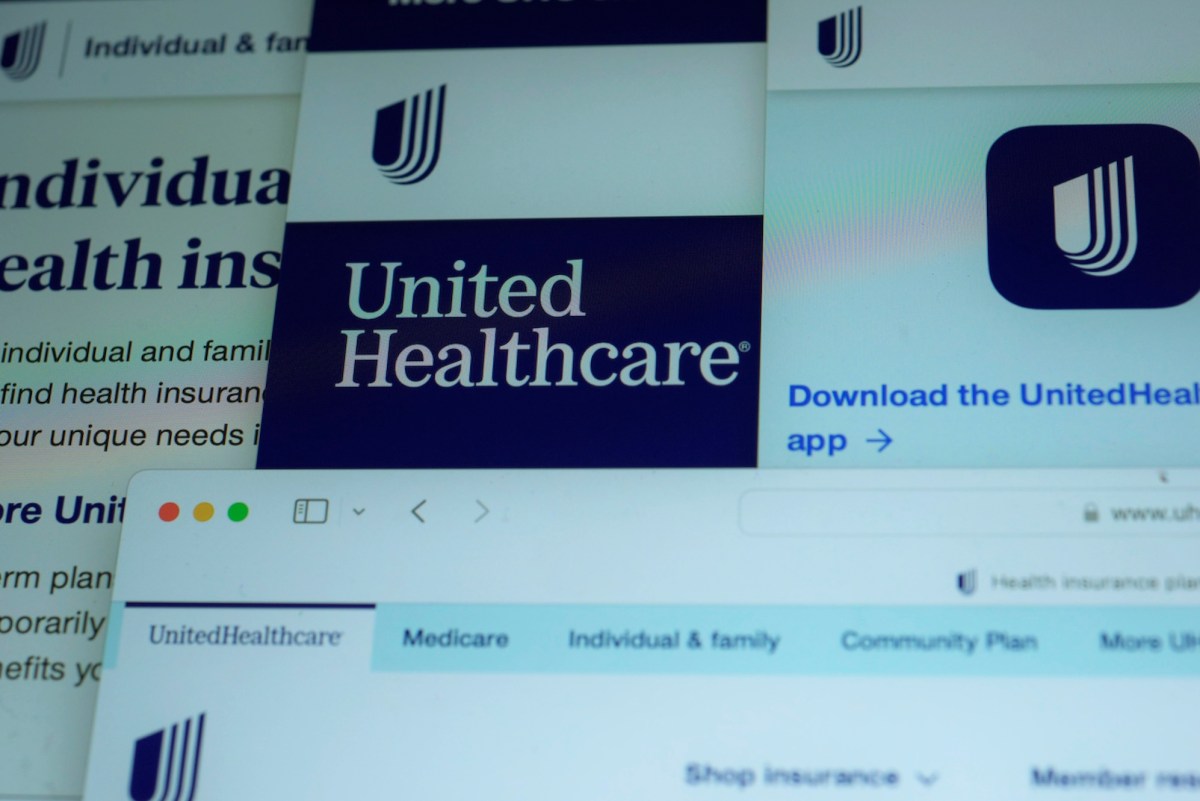
💊 UnitedHealth and the Data Apocalypse: Nearly half of Americans impacted in a sprawling healthcare breach, exposing the brittle frameworks of trust in industries meant to protect us.
📜 Historical Insight: Cassie Chadwick—the fraudster who weaponized trust and prestige to expose the greed of her era. Lessons from her playbook still echo in today’s digital battlegrounds.
♻️ Jevons’ Paradox: Efficiency as the Engine of Chaos: How technological progress doesn’t conserve resources—it amplifies consumption. AI, inflation, and fraud are entangled in an economic and psychological feedback loop we’re only beginning to understand.
🔮 Futureproofing Fraud Defenses: Actionable insights to break free from these cycles and build systems that endure the evolving threats of the digital age.
The Fraudfather’s Note:
Efficiency may promise progress, but it often hides chaos in its shadow. From Cassie Chadwick to the dark web, from data breaches to AI, the systems we trust are as fragile as the intentions behind them. Let’s peel back the layers to expose the truth and rebuild resilience.
📞 Book a Call with the Fraudfather! to fortify your defenses today!
"Trust and deception are siblings, born of the same parent: belief. One builds empires; the other burns them, and often, the match is struck by the same hand."

This Week in Breaches: A Grim Reflection on Our Digital Vulnerabilities
Instead of spotlighting a fraudster this week, I’m turning the lens toward a growing epidemic that threatens us all: catastrophic data breaches. The headlines of the past few days aren’t just news—they’re warnings, echoing through boardrooms, government agencies, and everyday households. These breaches expose the frailty of systems we trust to guard our most sensitive information, from health records to financial data, leaving millions vulnerable to fraud, identity theft, and exploitation.
This week’s stories—ranging from Bank of America’s negligence to UnitedHealth’s colossal failures—aren’t just cautionary tales; they are a rallying cry for stronger defenses and smarter practices. As always, the tactics, techniques, and procedures I share here in the Dead Drop are meant to arm you with the knowledge to navigate and mitigate these threats. Let’s dive into the breaches that made waves this week and what they reveal about the state of digital security today.
1. A Playground for Predators: The 60 Million Kids Data Breach
Imagine a library containing the hopes and fears of 60 million children—every report card, medical history, and whisper of identity stolen. This is no dystopian fiction but the harrowing reality revealed this week. The breach strikes at the youngest and most vulnerable among us, a catastrophic dereliction of duty by those entrusted with safeguarding our children’s futures. As parents worry over screen time and social skills, they must now add "data exploitation" to their parental lexicon. The sheer scale of this theft underscores the urgency of robust defenses, as every keystroke in a poorly secured system feeds the appetites of shadowy criminals. That this data was siphoned off under our collective noses is a chilling reminder: negligence is the most dangerous accomplice of all.

2. Bank of America: Trust Withdrawn, Privacy Overdrawn
The financial fortress of Bank of America now stands as a crumbling relic, breached not by brute force but by the insidious negligence of a third-party failure. Names, Social Security numbers, financial data—exposed for any savvy opportunist to exploit. But the betrayal cuts deeper, as something far more intimate was laid bare—locations. This breach reveals where customers live, work, and transact, turning private lives into open maps for predators.
This is no ordinary data spill; it is a roadmap for stalking, scams, and perhaps far worse. Customers who entrusted the institution with their most sensitive information now find themselves betrayed by proxy, reduced to pawns in a supply chain of carelessness. This calamity isn’t just about stolen identities or drained accounts; it’s about the erosion of trust in an already fragile world.
In a banking sector consumed by efficiency and profit margins, this disaster is a chilling reminder of the exorbitant cost of cutting corners on cybersecurity. When financial institutions fail to safeguard not just wealth but the lives tethered to it, they compromise far more than data—they compromise humanity itself.

UnitedHealth: A Cyber Plague on Half of America
If you thought the UnitedHealth breach couldn’t possibly grow worse, this week proved otherwise. The company now concedes that half of all Americans—half—are ensnared in this unprecedented digital hemorrhage. A data compromise so vast it mirrors a national health crisis, though the virus here is pure incompetence. This breach stands as a grotesque monument to hubris, a damning indictment of systems built for convenience rather than resilience. While hackers evolve into nimble predators, companies like UnitedHealth lumber forward, oblivious to the lessons etched in the ruins of prior disasters.
Then came the revelation of the Change Healthcare breach—190 million Americans affected. This isn’t just a cyber incident; it’s a digital Chernobyl. Names, diagnoses, payment records—an unholy trifecta now freely floating through the dark web’s lawless expanse. For an industry built on trust and intimacy, this represents betrayal on an industrial scale. And yet, who will shoulder the blame? Likely no one, as executives and regulators shuffle responsibility like a rigged deck of cards. Meanwhile, the rest of us are left asking: how many more spins of the digital roulette wheel are required before the players finally learn the rules?
If a failure of this magnitude doesn’t provoke systemic change, what will? The clock is ticking, and with each breach, the stakes grow more dire.
📞 Book a Call with the Fraudfather! to fortify your defenses today!
Futureproofing Fraud Defenses
Modern society reveres the efficiency of public records as if they were etched by the divine hand of objective truth. Governments and businesses alike lean on the convenience of data brokers, these self-anointed arbiters of truth, to provide "authoritative sources" of information. But let us dispense with such euphemisms—these brokers sell repackaged vulnerability disguised as reliability. Their records, extracted from a patchwork of misaligned, error-prone, and ethically dubious sources, are the Achilles’ heel of our fraud defenses.
If the dark web is a thriving bazaar of deceit, the world of data brokerage operates as its unwitting ally, perpetuating fraud with none of the cloak-and-dagger theatrics. Data brokers sell identity and financial breadcrumbs to any entity with the means to pay, equipping both legitimate enterprises and criminals alike. Their data—touted as accurate—is riddled with inaccuracies that often lead to Kafkaesque false accusations. Worse, these records are the linchpin for systems built by bureaucrats and C-suites who’ve conflated "scale" with "security."
The Sanctity of Garbage
Consider the travesty of Michigan's unemployment insurance scandal, where a faulty algorithm wrongly accused nearly 40,000 residents of fraud. The state’s reliance on its Integrated Data Automated System (MiDAS)—a Frankenstein's monster cobbled together with flawed data—ruined lives, confiscated wages, and drove many to bankruptcy. The system, proudly automated to reduce "human error," boasted a 93% failure rate. Who reviewed this debacle? Certainly not the public officials or private consultants who greenlit the software.
Why do these failures persist? Because businesses and governments fail to ask one essential question: Who audits the data brokers? These purveyors of "public records" thrive in a regulatory Wild West, where accuracy is optional and accountability non-existent. It’s the perfect ecosystem for fraud to flourish, whether by dark web opportunists or bureaucratic blunders.
Fraud-as-a-Service: The Dark Web Learns From Us
The dark web may innovate in audacity, but it is merely mirroring the commercialization perfected by legitimate enterprises. Fraud-as-a-Service (FaaS) thrives because the tools of fraud have become commoditized, aided by open records from data brokers. With stolen or misattributed data as their starting point, criminals can create synthetic identities or impersonate legitimate ones, slipping past verification systems that trust a broker’s records over common sense.
The Hydra marketplace—a dark-web behemoth dismantled in 2022—illustrates this grotesque mimicry of corporate sophistication. It operated with customer service channels, branding strategies, and even subscription models, selling stolen data and fake documents with the efficiency of Amazon Prime. Fraudsters don’t operate in silos; they build ecosystems. By contrast, the defenders—governments and businesses—hobble themselves with siloed, broker-reliant databases that assume "authoritative" means "correct."
Data Brokers: A Trojan Horse in Fraud Defenses
Relying on public records from brokers as gospel is the equivalent of building a fortress out of wet paper. Fraudulent entries, outdated addresses, and mismatched identifiers plague these datasets. The system assumes everyone from the fraud examiner to the AI model can spot a ghost in the data—a Herculean task when the dataset is flawed from inception. The result? Honest people get falsely accused, while seasoned fraudsters waltz through the gaps.
This complacency isn't just a problem for fraud examiners; it’s a structural flaw in our economy. Open banking, with its promise of real-time financial data, could provide a lifeline to those left behind by traditional credit scoring. Yet the specter of data brokers looms large here too, threatening to repeat history by feeding flawed data into cutting-edge systems. Innovation dies on the altar of bad inputs.
Future-Proofing Fraud Defenses
The path forward demands a radical rethinking of how we treat data. First, businesses and governments must stop outsourcing trust. Verification systems should prioritize real-time data from primary sources, not static records from a broker’s archive. Open banking and blockchain technologies offer a promising alternative: systems where transparency and user ownership supplant opacity and exploitation.
Second, we need regulation that goes beyond consumer data protections like GDPR. Data brokers must be held accountable not only for breaches but also for errors. What use is safeguarding privacy if the data being protected is garbage?
Finally, fraud defenses must embrace dynamic adaptability. AI-powered tools can detect patterns, but they are only as good as the data fed into them. Fraud prevention should emulate fraud itself: agile, collaborative, and global in scope. If criminals have embraced supply chains and ecosystems, fraud examiners must do the same.
Fraudfather Take: The Mirage of Authority
We must dispense with the illusion that public records sold by data brokers are anything more than a mirage of authority. Trust, when misplaced, becomes the handmaiden of fraud. As long as governments and businesses continue to rely on these broken systems, they perpetuate a status quo that punishes the innocent and empowers the malicious.
The real crime is not on the dark web but in the daylight: a systemic failure to challenge the institutions that make fraud possible. In the face of this failure, future-proofing fraud defenses is not a technological challenge—it is an ethical imperative.
There’s a reason 400,000 professionals read this daily.

Join The AI Report, trusted by 400,000+ professionals at Google, Microsoft, and OpenAI. Get daily insights, tools, and strategies to master practical AI skills that drive results.
Historical Insight

Cassie Chadwick: The Original Femme Fatale of Finance
Ladies, let’s have a moment. Over half of the Dead Drop readership is women, so let’s not pretend fraud is just a boys’ club of Ponzi schemes and crypto bros. History’s most iconic cons weren’t all slick-haired men with a smirk—they were women who knew how to weaponize every societal stereotype against itself. And no one did it better than Cassie Chadwick, the self-made heiress to a fortune that didn’t exist.
Before she was Cassie Chadwick, the so-called 'illegitimate daughter of Andrew Carnegie,' she was Elizabeth Bigley, a small-town Canadian girl with a knack for trouble. Reinventing herself into Cassie wasn’t just a lie—it was her ultimate masterpiece, turning a simple alias into a golden ticket to riches and notoriety.
Forget the glass ceiling—Cassie shattered it, built a counterfeit chandelier out of the shards, and sold it to the highest bidder. Her story reads like the twisted love child of Ocean’s Eleven and Gone Girl: fake heiress, stolen millions, and a series of psychological mind hacks so good they’re practically a masterclass in manipulation.
Now, before you roll your eyes at another tale of fraud, let’s make something clear: Cassie’s not just a historical curiosity. Her schemes are a blueprint for understanding how ambition, vanity, and trust can be turned into weapons—and not just by fraudsters. You can use her tactics, ethically and legally, to make your moves in a world designed to underestimate you.

Cassie Chadwick wasn’t just conning bankers and socialites—she was exposing their greed, their vanity, and their desperate desire to be in the room with greatness, even if that greatness was a lie. Sound familiar? It should. Because the scams she pulled in the early 1900s still work today—just ask Silicon Valley.
So buckle up. You’re about to meet the woman who didn’t just fake it till she made it; she faked it till everyone else made her. And here’s the kicker: by the end of this, you’ll understand her playbook better than her victims ever did. Whether you use it to win in business, negotiation, or life is up to you.
Welcome to the house Cassie built. Let’s burn it down, one psychological hack at a time.
1. Borrowed Prestige: Law 6 of The 48 Laws of Power
"Court attention at all costs."
Cassie Chadwick’s greatest asset wasn’t wealth—it was the illusion of wealth. Her genius lay in tethering herself to Andrew Carnegie, the steel titan whose fortune could fund dreams or bury rivals. By claiming to be his illegitimate heir, Cassie didn’t just borrow Carnegie’s reputation—she wrapped herself in it, using his name to open doors that no bank vault could contain. In a world drunk on the idea of proximity to power, Cassie wasn’t just trusted—she was coveted.
Psychological Hack:
Anchor yourself to authority. Borrowing prestige is as powerful now as it was in Cassie’s time. Showcase testimonials, align yourself with respected brands, or associate with influential figures. A borrowed crown may not be yours, but it still gets you into the castle. Cassie’s fraud thrived on this principle; your success can, too—without the jail time.
2. The Priming Game: Cialdini’s Pre-Suasion
"What is focal is causal."
Cassie didn’t march into banks shouting, “Give me money!” Instead, she played the long game of psychological seduction. She dropped breadcrumbs—subtle hints of her supposed inheritance, outrageous spending habits that seemed effortless, and carefully forged promissory notes from Carnegie himself. By the time she made her ask, her victims were already primed to see her as legitimate. Her marks connected the dots for her—and signed the checks.
Psychological Hack:
Set the stage before the pitch. Frame your ask in a way that makes your desired conclusion feel inevitable. Highlight the why—the narrative—before presenting the what. Whether in sales, negotiations, or even relationships, pre-suasion sets the mental chessboard in your favor.
3. Exploiting Scarcity and Exclusivity: Cialdini’s Influence
"Opportunities seem more valuable when they are less available."
Cassie understood that nothing draws people in like a secret. She framed her connection to Carnegie as privileged information, a whisper that only a chosen few could hear. Lenders didn’t just feel like business partners—they felt like insiders, conspirators in a hidden world of wealth. The scarcity of such an “opportunity” made it irresistible.
Psychological Hack:
Create the illusion of exclusivity. Limit access, frame your offer as rare, or make others feel like they’ve been handpicked. Scarcity drives desire. Just make sure your opportunity is real—Cassie’s wasn’t, but the principle works for legitimate ventures, too.
4. Playing the Long Game: Law 3 of The 48 Laws of Power
"Conceal your intentions."
Cassie didn’t build her schemes overnight. She wove them over months, meticulously crafting her persona and gaining trust with each interaction. Her brilliance wasn’t in the ask—it was in the wait. By the time her marks handed her money, they weren’t just convinced; they were emotionally invested. Her betrayal hit harder because it felt personal.
Psychological Hack:
Patience is power. Lay the groundwork, nurture relationships, and build trust before revealing your intentions. Whether you’re pitching an idea or negotiating a deal, let people invest emotionally in you first. By the time you make your move, they’ll want to say yes.
5. Social Proof: The Bandwagon Effect
Cassie Chadwick knew the power of momentum. She didn’t just convince one bank; she convinced all of them. Her strategy was simple: let them see others lending her money, creating a cascade of misplaced trust. “If everyone else believes it, it must be true,” became her silent mantra. And it worked.
Psychological Hack:
Leverage visible success. Use testimonials, endorsements, or any proof of past wins to validate your credibility. When people see others jumping on your bandwagon, they’re far more likely to follow suit. Social proof isn’t just persuasive—it’s magnetic.
📞 Book a Call with the Fraudfather! to fortify your defenses today!

The Fraudfather's Take:
Cassie Chadwick’s genius wasn’t in her audacity—it was in her understanding of how humans think. She weaponized ambition, vanity, and trust, playing on universal biases to turn fiction into fortune. But here’s the twist: the very tactics she used can be ethically wielded in modern life.
Borrow prestige to elevate your brand.
Prime your audience to make decisions in your favor.
Use scarcity to make your offers irresistible.
Build social proof to validate your claims.
Always play the long game—because those who invest in the setup always win the prize.
The line between con artist and genius is thinner than most want to admit. Cassie Chadwick crossed it. You don’t have to. Master the playbook, use it wisely, and let the fraudsters fall for your traps of skepticism and resilience.
Looking for a Fraud Gig?
Welcome to The Syndicate: Where Sharp Minds Play the Long Game
Step out of the ordinary and into a world where strategy meets intrigue. The Syndicate is your ticket to the shadowy crossroads of anti-fraud, compliance, and cutting-edge problem-solving—a curated job board for those who live to expose deception, outsmart the cleverest cons, and turn the tables on the tricksters of the modern age.
Cognitive Insights

William Stanley Jevons, seated in his Victorian study, contemplates the paradox that would define his legacy—a world where progress fuels consumption, turning efficiency into the engine of unrelenting demand.
Jevons’ Paradox: The Efficiency Illusion—What It Teaches Us About AI, Inflation, and Gaming the System
Imagine paying more for less and wondering if you’ve been swindled—not by a charming con artist, but by the system itself. What feels like fraud is often the slow, calculated creep of inflation—an economic force pulled into existence by ravenous demand or pushed by spiraling production costs. But here’s the real twist: even when efficiency improves—cheaper energy, smarter technology, streamlined systems—the house always wins. Enter Jevons Paradox, a perverse economic truth where progress becomes the fuel for consumption, and consumption breathes life back into inflation.
Efficiency doesn’t cut costs; it shifts the game. The more we save, the more we spend, and the paradox compounds. Jevons isn’t just why your electric bill doesn’t shrink despite LEDs, Energy Star appliances, and solar panels—it’s the reason economies run on a hamster wheel of insatiable demand. This isn’t just a paradox; it’s the system’s most reliable, devilishly clever con.

The Efficiency Illusion: As costs drop, consumption surges, revealing how technology savings often backfire by driving exponential demand.
On the chessboard of progress, efficiency appears to be the queen—agile, powerful, able to dictate the game. But Jevons’ Paradox is the grandmaster in the background, showing us that this queen doesn’t win the match—it just ensures we keep playing. Longer. Harder. At stakes that grow exponentially. Efficiency isn’t liberation; it’s a seductive illusion, luring us into endless cycles of more. In a world shaped by AI, inflation, and unyielding ambition, Jevons’ Paradox isn’t just an economic quirk—it’s the hidden blueprint for the chaos that defines our modern age.
Efficiency’s Dirty Little Secret
First, a quick primer: In the 1860s, William Stanley Jevons observed that making coal more efficient didn’t lead to less coal consumption—it led to more. Why? Because cheaper coal unlocked new industries, expanded production, and widened access. In short, efficiency didn’t conserve—it catalyzed. Fast-forward to today, and you’ll find Jevons’ Paradox alive and thriving in everything from energy grids to the algorithms running our digital lives.

Got a fleet of energy-efficient appliances? Great—your utility bills should be lower. But they aren’t, are they? That’s because efficiency made it easier to adopt more tech, plug in more devices, and keep the lights blazing all night. You’re not saving; you’re scaling. Welcome to Jevons 101.
Enter AI: The New Coal
Artificial intelligence was sold to us as a savior—an engine for streamlining processes, cutting costs, and solving problems at unprecedented speed. But AI is the coal of the 21st century: the more efficient it becomes, the more it drives demand. The computational power behind AI doesn’t come from thin air; it comes from massive data centers inhaling electricity faster than a fraudster drains a bank account.
Here’s the twist: AI’s efficiency doesn’t just power today’s tools—it creates new markets and possibilities that didn’t exist before. We used to run spreadsheets; now we run predictive analytics, natural language processors, and generative models. We used to analyze customer behavior; now we anticipate it, manipulate it, and monetize it in real-time. Every breakthrough in AI’s efficiency doesn’t close the consumption loop—it stretches it infinitely wider.
It’s Jevons’ Paradox on steroids. The more efficient AI becomes, the more we consume it, and the more resources it demands. And don’t get me started on its shadow twin—automation—which promises to reduce costs but often exacerbates inequality, unemployment, and the inflationary spiral.
Inflation: The Amplifier of Chaos
Here’s where Jevons’ Paradox hits overdrive. In an inflationary world, efficiency becomes a survival mechanism. Rising prices force businesses to automate, streamline, and cut corners. But these moves often create new dependencies on technology, fueling demand for AI, cloud computing, and energy. Inflation doesn’t just eat away at your wallet—it supercharges the very feedback loop Jevons warned us about.

Take the gig economy. Platforms like Uber and DoorDash rely on AI to optimize pricing and routes. That efficiency attracts more users—drivers and customers alike—but also fuels competition and system strain. The platforms respond by demanding even greater efficiency, perpetuating a cycle where growth outpaces gains. Inflation isn’t tamed—it’s turbocharged.
The Psychological Hook: Efficiency as a Mirage
Jevons’ Paradox isn’t just an economic quirk; it’s a reflection of human nature. We’re wired to crave more. Give us a cheaper kilowatt-hour, and we’ll find five new ways to use it. Hand us a faster algorithm, and we’ll overload it with tasks. Efficiency lowers the barriers to indulgence, and we dive in headfirst, convinced we’re optimizing when we’re really just consuming.

Think about your own habits. Energy-efficient lightbulbs? You keep them on longer. Smart thermostats? You tweak the settings constantly. AI tools? You use them for everything from trivial emails to running entire businesses. Efficiency is a drug, and Jevons is the dealer who told you the game was rigged from the start.
The Fraudfather’s Take: Weaponizing Jevons for Profit and Protection
Here’s where we flip the script. Jevons’ Paradox isn’t just a problem—it’s a blueprint. Fraudsters and manipulators thrive because they understand the gaps between efficiency and consumption. But here’s the kicker: you can weaponize those same insights ethically to win in business, outmaneuver competitors, and protect yourself from exploitation.
Let’s break it down.
1. Exploit Perceived Efficiency
Fraudsters know that efficiency blinds people. They hide schemes behind layers of “streamlined” processes, automated tools, and user-friendly interfaces. You can do the same—ethically—by presenting your value proposition as the simplest, most efficient solution on the market. The psychology of ease is irresistible. Own it.
2. Turn Scarcity into Leverage
Efficiency lowers costs, but scarcity creates value. Want to outwit the Jevons cycle? Build artificial scarcity into your offerings. Limited-time access, exclusive memberships, and capped availability not only drive demand but also disrupt overconsumption. Be the one who controls the floodgates, not the one drowning downstream.
3. Hack the Consumption Loop
Instead of scaling endlessly, design systems that reward moderation. Think subscription models, tiered pricing, or usage-based incentives. When you align your growth with controlled consumption, you neutralize Jevons’ trap and create sustainable value.
4. Dominate the Data Economy
AI is the modern coal mine, and data is the coal. Fraudsters use data asymmetry to manipulate; you can use it to dominate. The better you understand your customer’s consumption patterns, the better you can anticipate their needs—and upsell them on solutions they didn’t know they needed.
5. Master Emotional Efficiency
Jevons is about resource efficiency, but it applies equally to emotional capital. Fraudsters manipulate urgency and scarcity to hijack decisions. You can do the same—ethically—by mastering the art of persuasion. Speak directly to your audience’s desires, fears, and aspirations. Efficiency isn’t just technical; it’s psychological.
The Final Word: Rewrite the Rules
Jevons’ Paradox teaches us that efficiency is never the endpoint—it’s the starting gun in a race with no finish line. Fraudsters thrive because they understand this fundamental truth: every solution creates a new problem, every efficiency unlocks a new demand. The question isn’t whether you’ll play the game—it’s whether you’ll play to win.

So here’s the challenge: stop chasing efficiency as an end in itself. Instead, use it as a lever to control the narrative, own the systems, and bend the rules in your favor. Because in the end, Jevons wasn’t just describing a paradox—he was describing power. And power, my friends, belongs to those who see the game for what it is and rewrite it entirely.
📞 Book a Call with the Fraudfather! to fortify your defenses today!
About The Fraudfather
The Fraudfather combines a unique blend of experiences as a former Senior Special Agent, Supervisory Intelligence Operations Officer, and now a recovering Digital Identity & Cybersecurity Executive, He has dedicated his professional career to understanding and countering financial and digital threats.
Fast Facts Regarding the Fraudfather:
Global Adventures: He’s been kidnapped in two different countries—but not kept for more than a day.
Uncommon Encounter: Former President Bill Clinton made him a protein shake.
Unusual Transactions: He inadvertently bought and sold a surface-to-air missile system.
Perpetual Patience: He spent 12 hours in an elevator.
Unique Conversations: He spoke one-on-one with Pope Francis for five minutes using reasonable Spanish.
Uncommon Hobbies: He discussed beekeeping with James Hetfield from Metallica.
Passion for Teaching: He taught teenagers archery in the town center of Kyiv, Ukraine.
Unlikely Math: Until the age of 26, he had taken off in a plane more times than he had landed.
📞 Book a Call with the Fraudfather! to fortify your defenses today!
This newsletter is for informational purposes only and promotes ethical and legal practices.